
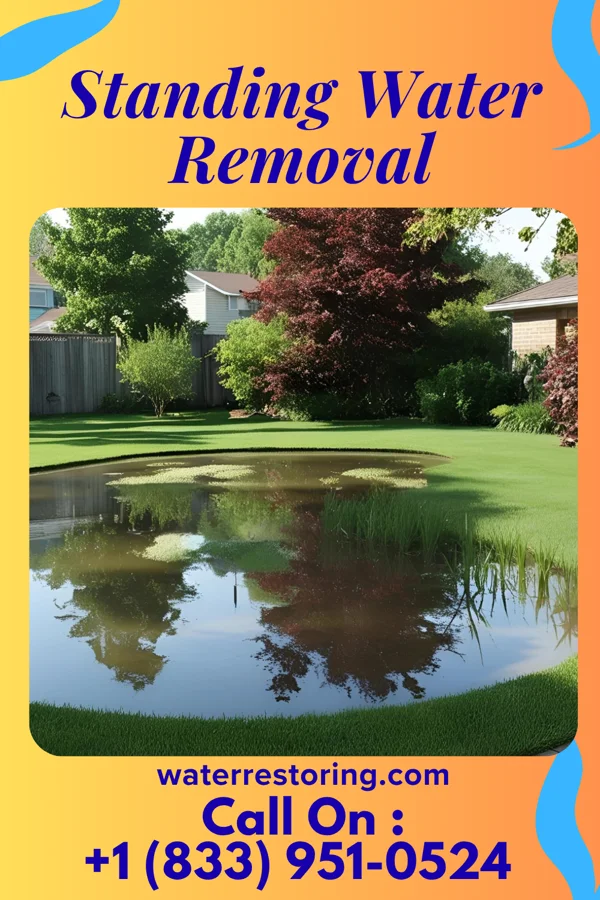
Why Argusville Standing Water Demands Fast Removal
Most water damage emergencies in Argusville start with In Argusville, North Dakota, the primary water damage cause is often due to sudden flooding from nearby rivers or heavy rainfall, especially during spring thaw or severe weather events. Additionally, plumbing leaks from aging infrastructure in rural homes are common, particularly in older buildings with less frequent maintenance.. A close second is Secondary causes include sewer backups from the nearby Brooktree Park area, which can lead to basement flooding, and water intrusion from improperly sealed crawl spaces. Winter ice dams on roofs can also result in significant water damage to homes in the region.. From the second water touches the property, every minute changes what gets saved and what gets ripped out.
Argusville experiences a continental climate with cold winters and warm summers, leading to frequent freeze-thaw cycles that can damage foundations and pipes. The area is also prone to sudden spring flooding due to snowmelt and heavy precipitation, increasing the risk of water damage.
Most standing water removal calls in Argusville come from In Argusville, North Dakota, the primary water damage cause is often due to sudden flooding from nearby rivers or heavy rainfall, especially during spring thaw or severe weather events. Additionally, plumbing leaks from aging infrastructure in rural homes are common, particularly in older buildings with less frequent maintenance.. Running a close second is Secondary causes include sewer backups from the nearby Brooktree Park area, which can lead to basement flooding, and water intrusion from improperly sealed crawl spaces. Winter ice dams on roofs can also result in significant water damage to homes in the region.. Local mold risk: Mold growth can quickly become a serious issue in Argusville due to the region's cold, damp conditions and the presence of wood structures in older homes. Prompt water damage restoration is critical to prevent mold from spreading and causing long-term health risks.